Boiled Brown Crab Claws
  • Boiled Brown Crab Claws
  • Boiled Brown Crab Claws
  • Boiled Brown Crab Claws

Boiled Brown Crab Claws

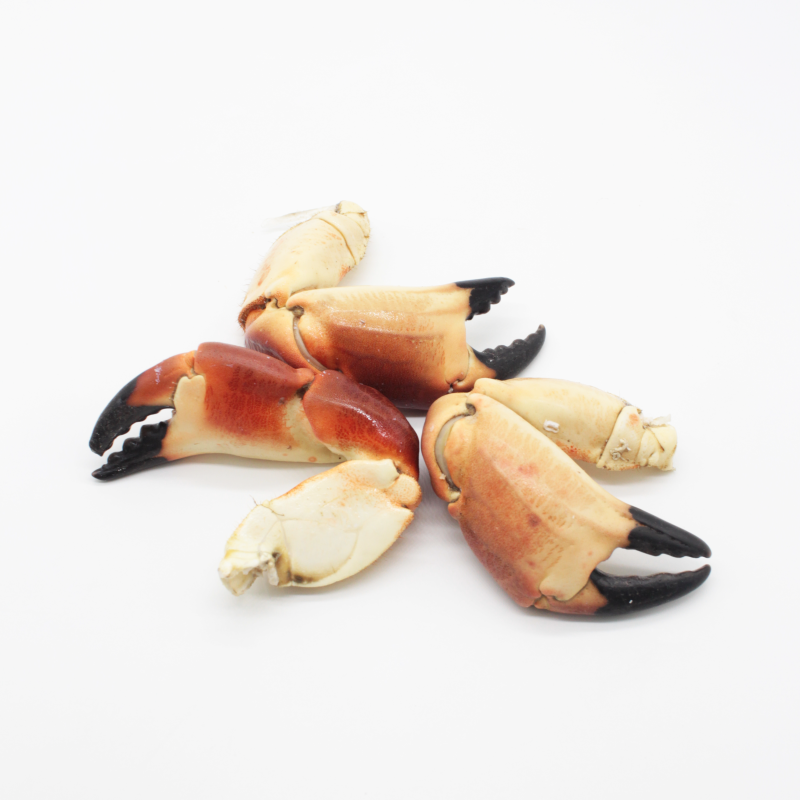
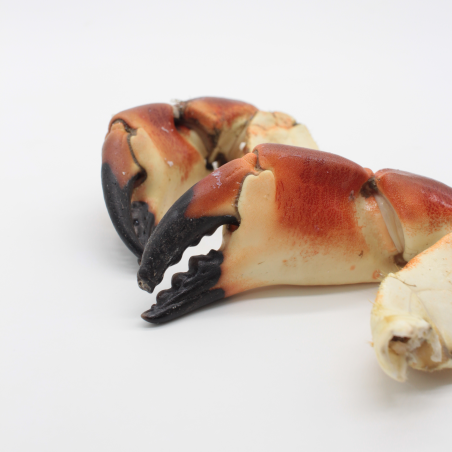
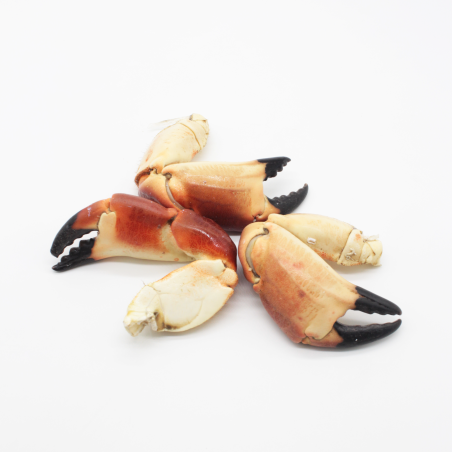
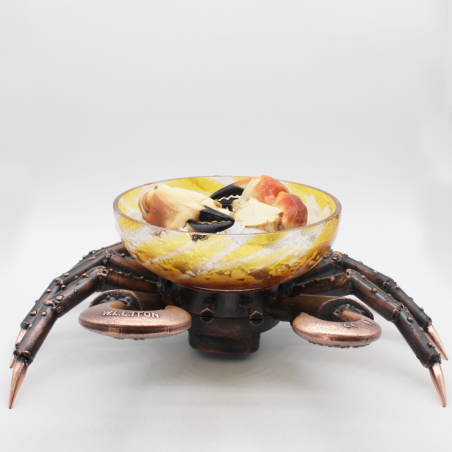
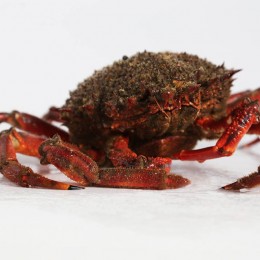
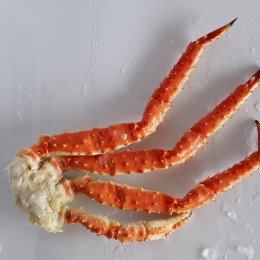
Contains 8–12 pieces per kilo. We call the claws of the brown crab “bocas” (mouths in Spanish), and they’re one of the most widely enjoyed crustaceans in Spanish gastronomy. They come cooked and whole. To eat them, it’s best to use some form of hammer to break them open and access the meat more easily.

Frozen product. Once thawed, do not refreeze.

Allergens
Crustaceans
Select Quantity
1 Kg

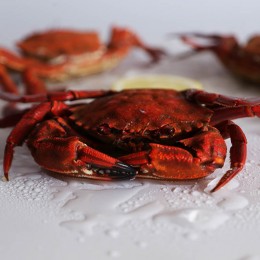
The brown crab (Cancer Pagurus) is a large decapod crustacean that inhabits rocky seabeds 1 to 30 metres deep, hiding between cracks in the rocks or burying itself in the sand. Its strictly carnivorous diet of crustaceans and molluscs gives it a unique and intense flavour.

The brown crab is nutritionally rich in polyunsaturated fatty acids, minerals (iodine, selenium, sodium, phosphorus, potassium and iron), and B vitamins (B2, B6, B9) essential for our body’s development.

The ‘mouths’ are of course simply the brown carb’s claws. There are between approximately 8–12 pieces in a kilo. As it’s a frozen product, it’s best to consume them in less than 24 hours once defrosted.

Commercial name: Brown crab claws

Scientific name: Cancer pagurus

FAO code (3-alpha): CBO

Catch or farming area: Irish Sea and Celtic Sea (FAO-27 VIIa, VIIg-k)

Production method: Caught

Fishing gear or production system: Pots and traps

Physical state: Frozen

Commercial presentation: Cooked claws

Net quantity: 1 kg

Ingredients: Brown crab claws (crustacean), salt.

Allergens: Contains: crustaceans.

Nutritional information (per 100 g of product):

Energy value: 379 kJ / 89 kcal

Fat: 0.5 g

of which saturates: 0.2 g

Carbohydrate: 0.4 g

of which sugars: <0.1 g

Protein: 20.8 g

Salt: 1.25 g

Storage conditions: Keep at -18 °C. Thaw in the refrigerator, do not refreeze and consume within 24h.