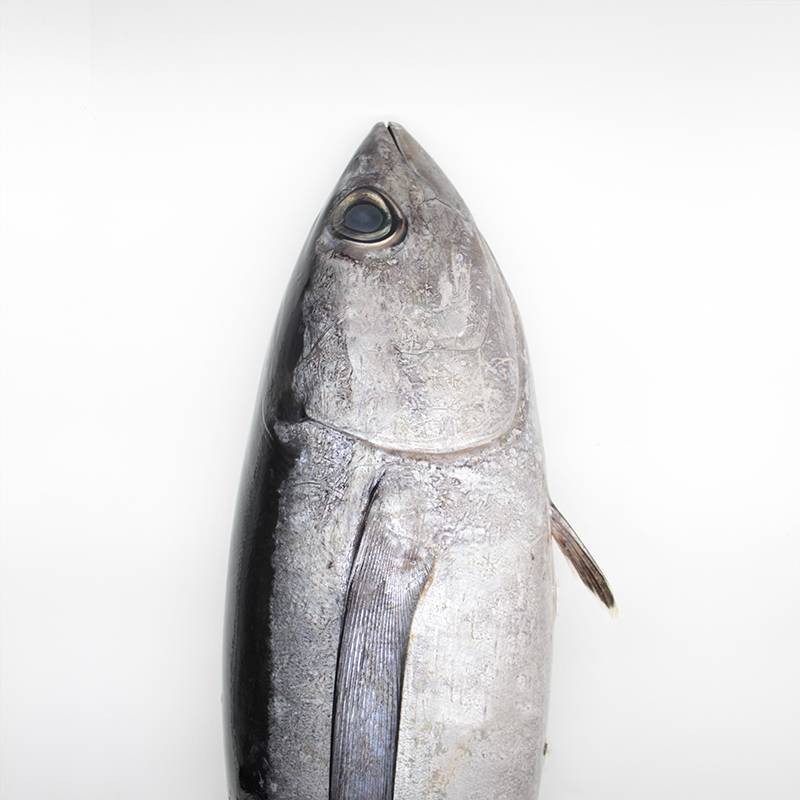
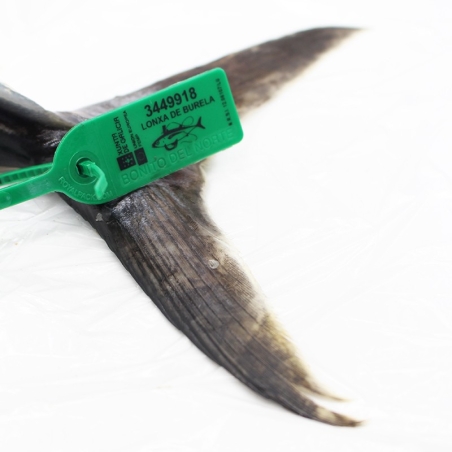
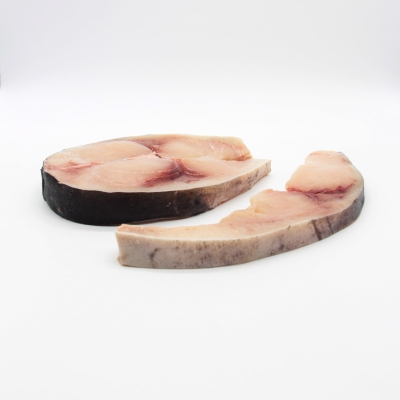
In winter, the bonito (Thunnus alalunga) lives in the depths of the Atlantic Ocean, in the triangle formed by the Canary Islands, Madeira and Azores, but in the summer months they go northwards and are caught in the so-called “Campaña Costera del Bonito”, the bonito fishing season.
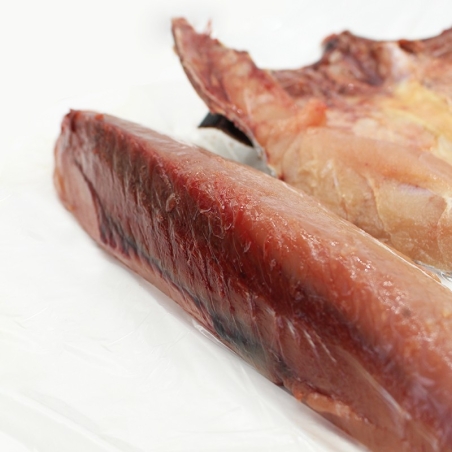
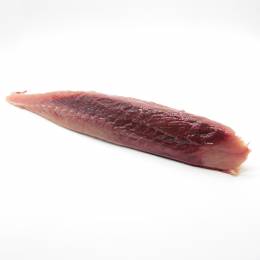
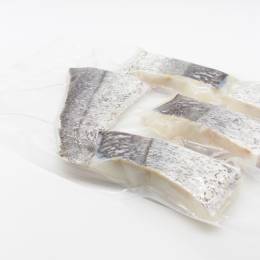
In the months when there are no catches, generally between September and May, we can only offer frozen, skinless and clean loins, which we produced during in-season months.
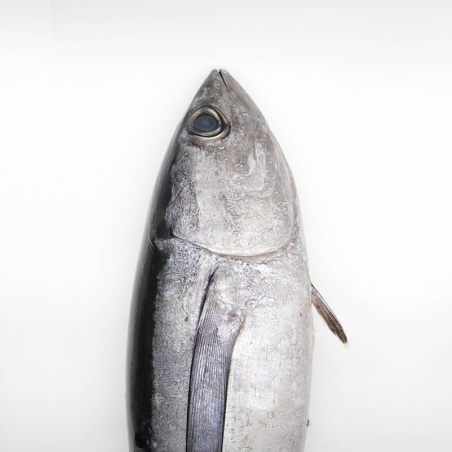
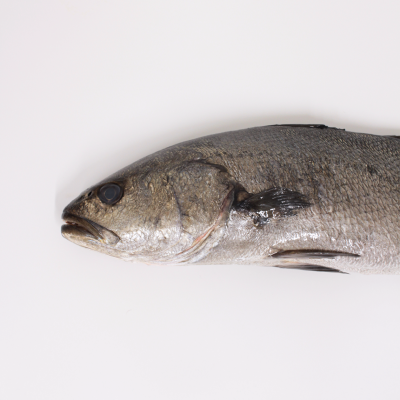
It is a migratory fish with a large, conical head. Its body is fusiform, robust and paunchy, dark blue on the back, lighter and greyer on the flanks, and silvery on the belly. It differs fundamentally from other tunas in that its pectoral fins are extra-long.
It’s one of the most exquisite oily fish, rich in healthy fats (especially omega-3 fatty acids), protein and vitamins B, A and D. A healthy and nutritious food for those who want to lower their cholesterol and triglyceride levels. Recommended in diets for the prevention of cardiovascular and cerebrovascular diseases.
The most popular ways to enjoy it are in a “marmitako,” (a round tuna pot), roasted, fried, grilled, or in a casserole. However, it is incredibly versatile. There are also numerous ways to conserve it and thus enjoy it all throughout the year.
Commercial name: Albacore / North Atlantic tuna
Scientific name: Thunnus alalunga
FAO 3-alpha code: ALB
Catch area: FAO-27 – Northeast Atlantic
Subarea: Main subareas of origin at the port of Vigo: 27.8 (Bay of Biscay), 27.9 (Portuguese and Galician Waters / Iberian Atlantic Waters), and 27.7 (Waters West of Ireland / Celtic Sea). The exact subarea will be specified on the product label at the time of delivery.
Production method: Wild caught
Fishing gear or production system: Hooks and lines
Physical state: Fresh (not frozen)
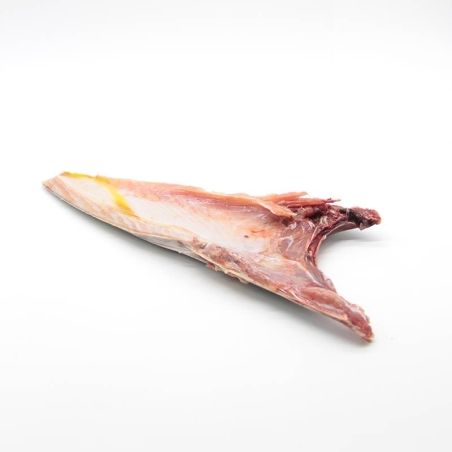
Commercial presentation: Customer's choice
Net quantity: Will be specified at the time of delivery
Allergens: Contains: fish. May contain traces of: not applicable.
Storage conditions: Keep refrigerated between 0 °C and 4 °C. Consume as soon as possible, preferably within 24–48 hours from purchase.
Information on dates and batch: Expiration date and batch number: indicated on the product label at the time of delivery.