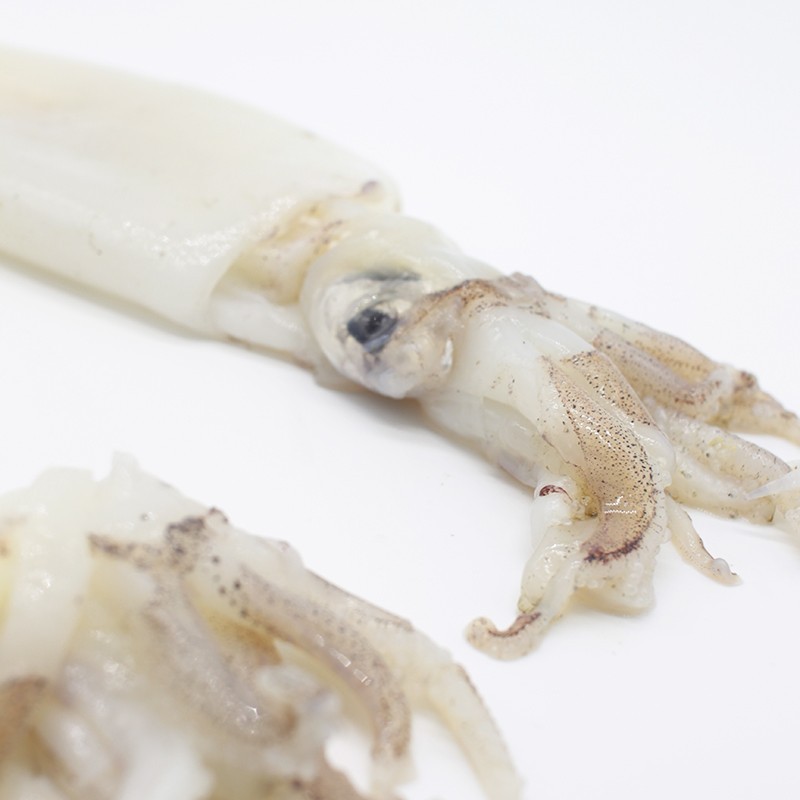
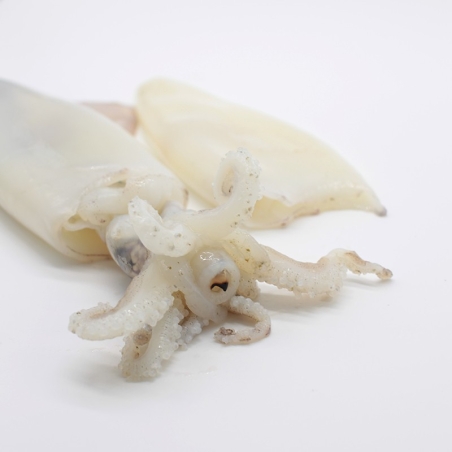
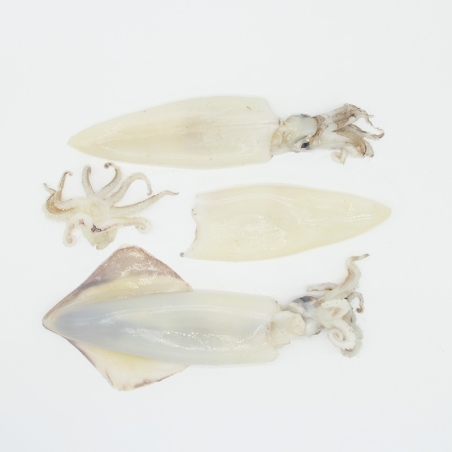
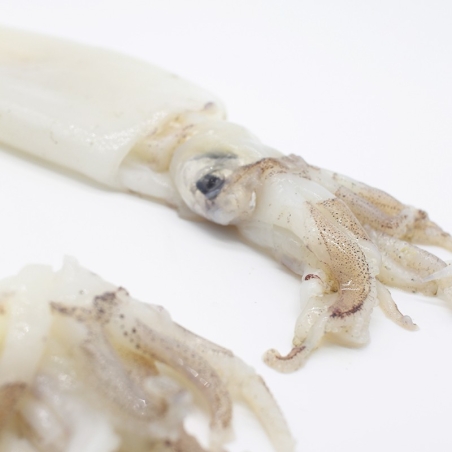
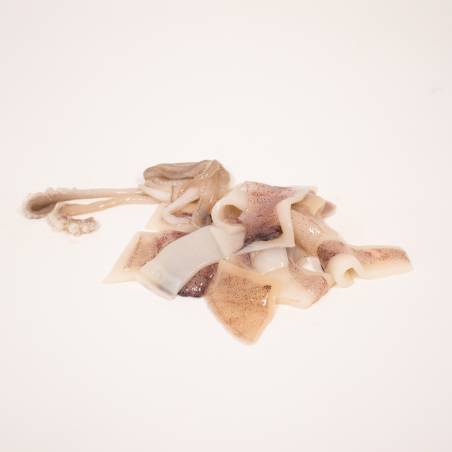
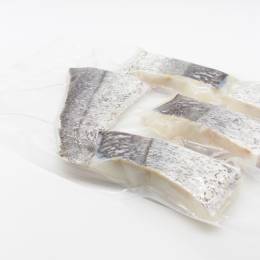
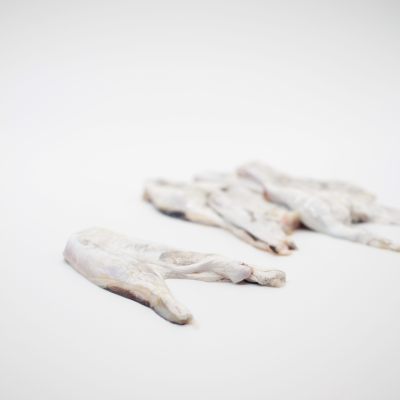
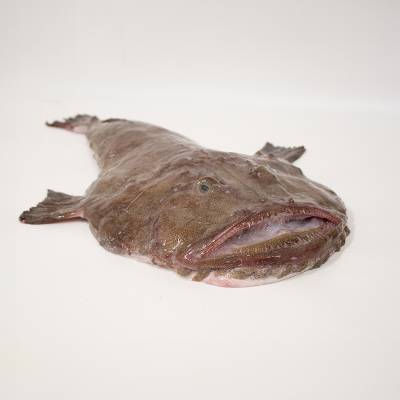
Squid (loligo vulgaris) is a common cephalopod found in both shallow waters and at great depths in the Atlantic (Canary Islands or Norway) and the Mediterranean Sea.
It has a large head, a pod-shaped body, and two lateral fins. It has eight tentacles with suckers and two contractile tentacles with a widened and flattened end. The latter feature four rows of suckers surrounded by rings of chitinous hooks. The contractile tentacles, longer than the others, serve to catch prey and carry it to the shorter tentacles, which hold it until it is torn by powerful jaws shaped like a curved beak.
Squid stands out nutritionally for its mineral content (potassium, magnesium, zinc, phosphorus and iron) as well as its vitamins, although in small amounts: vitamin A, B3 and B12. It’s the perfect food for balanced and healthy diets. Recommended for people with diabetes and gluten intolerance.
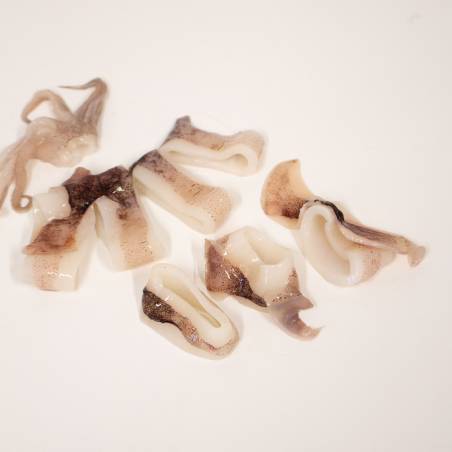
The different species of squid are widely used in a range of different cuisines. The most important thing is that its meat is tender and doesn’t harden when cooked. The most popular preparation are to batter, stuff or grill it.
Commercial name: European squid
Scientific name: Loligo vulgaris
FAO 3-alpha code: SQR
Catch area: FAO-27 – Northeast Atlantic
Subarea: Main subareas of origin at the port of Vigo: 27.9 (Portuguese and Galician Waters / Iberian Atlantic Waters) and 27.8 (Bay of Biscay). The exact subarea will be specified on the product label at the time of delivery.
Production method: Wild caught
Fishing gear or production system: Trawls
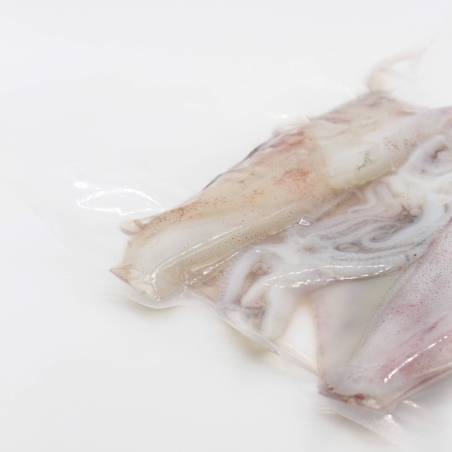
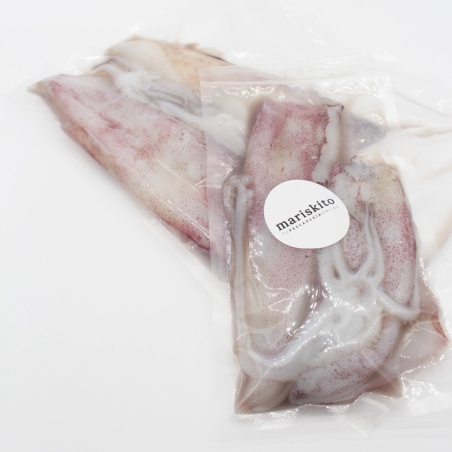
Physical state: Fresh (not frozen)
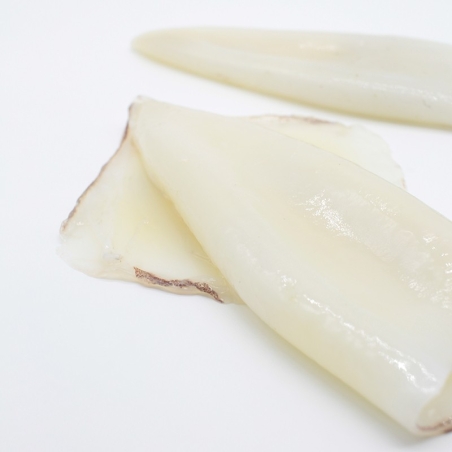
Commercial presentation: Customer's choice
Net quantity: Will be specified at the time of delivery
Allergens: Contains: molluscs. May contain traces of: not applicable.
Storage conditions: Keep refrigerated between 0 °C and 4 °C. Consume as soon as possible, preferably within 24–48 hours from purchase.
Information on dates and batch: Expiration date and batch number: indicated on the product label at the time of delivery.