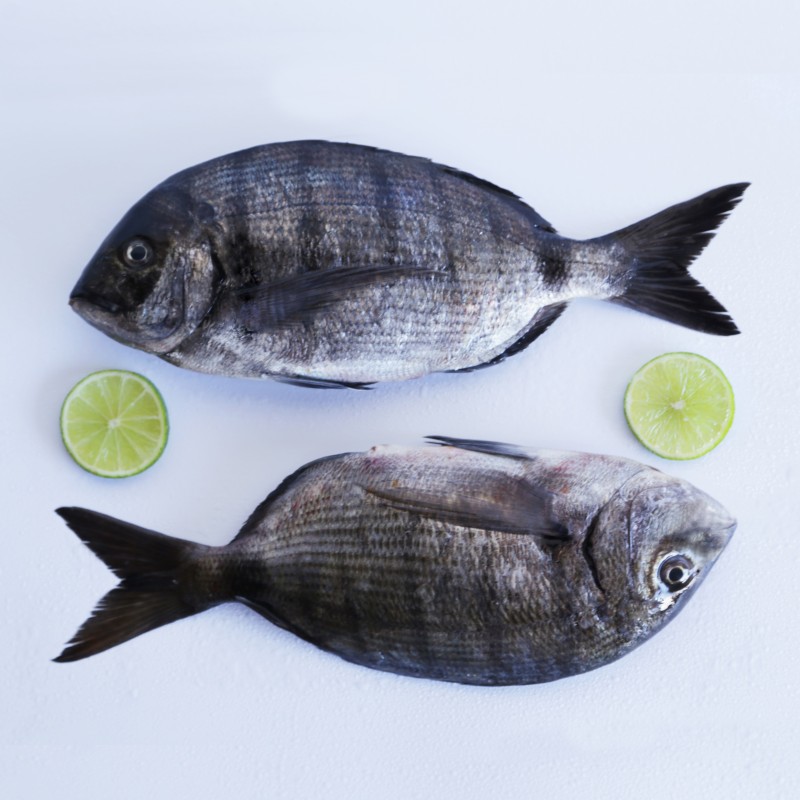
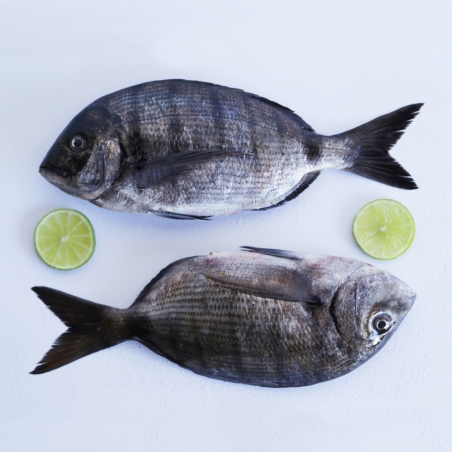
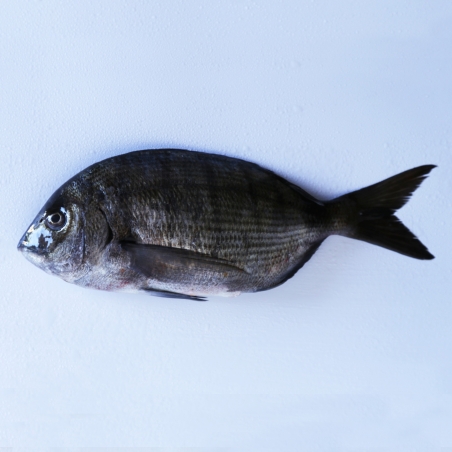
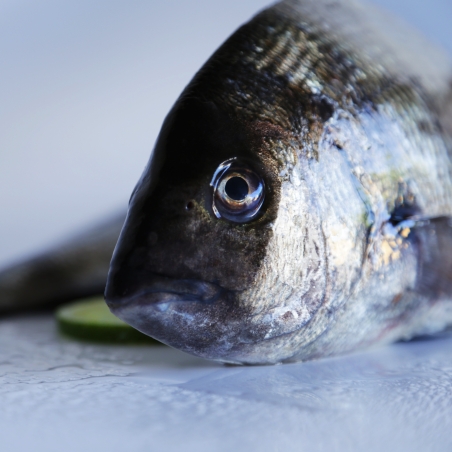
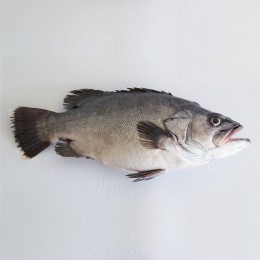
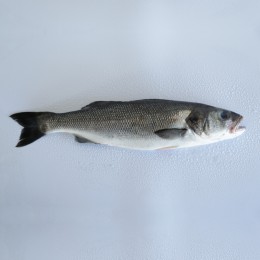
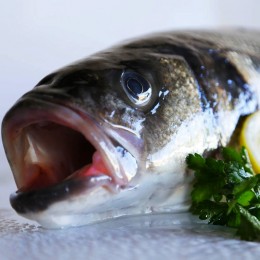
The white seabream (Diplodus sargus) is a very common marine fish along the Atlantic and Mediterranean coasts. They inhabit shallow rocky and gravel bottoms, between two and fifty metres deep, although they come close to beaches and harbours to feed.
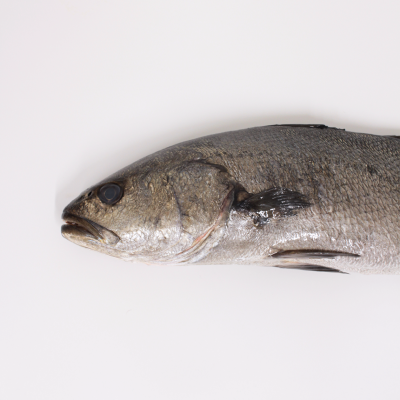
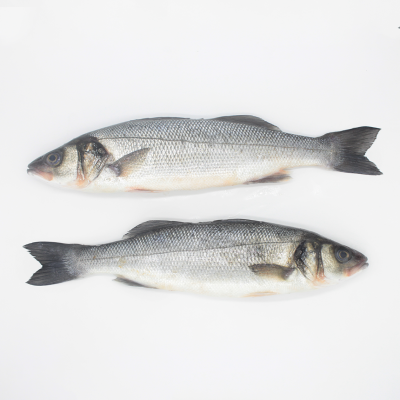
Their silvery-grey, oval and laterally compressed body can measure up to 45 cm in length and weigh 2 kg. They have 8 to 12 vertical black bands on their sides, as well as a very pronounced black spot on the caudal peduncle.
The white seabream is a semi-fatty fish with a nutritional intake rich in polyunsaturated fats and vitamins (B3 and B12), essential sources of energy for the proper functioning of the nervous system.
Its meat is highly prized, it is a fish that feeds on molluscs and shellfish, preferably mussels, sea urchins and barnacles. It is delicious baked without disguising its flavour too much by seasoning it, but it is also eaten fried, grilled or barbecued.
Commercial name: White seabream
Scientific name: Diplodus sargus
FAO 3-alpha code: SWA
Catch area: FAO-27 – Northeast Atlantic
Subarea: Main subareas of origin at the port of Vigo: 27.9 (Portuguese and Galician Waters / Iberian Atlantic Waters) and 27.8 (Bay of Biscay). The exact subarea will be specified on the product label at the time of delivery.
Production method: Wild caught
Fishing gear or production system: Gillnets and similar nets
Physical state: Fresh (not frozen)
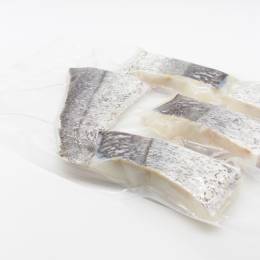
Commercial presentation: Customer's choice
Net quantity: Will be specified at the time of delivery
Allergens: Contains: fish. May contain traces of: not applicable.
Storage conditions: Keep refrigerated between 0 °C and 4 °C. Consume as soon as possible, preferably within 24–48 hours from purchase.
Information on dates and batch: Expiration date and batch number: indicated on the product label at the time of delivery.