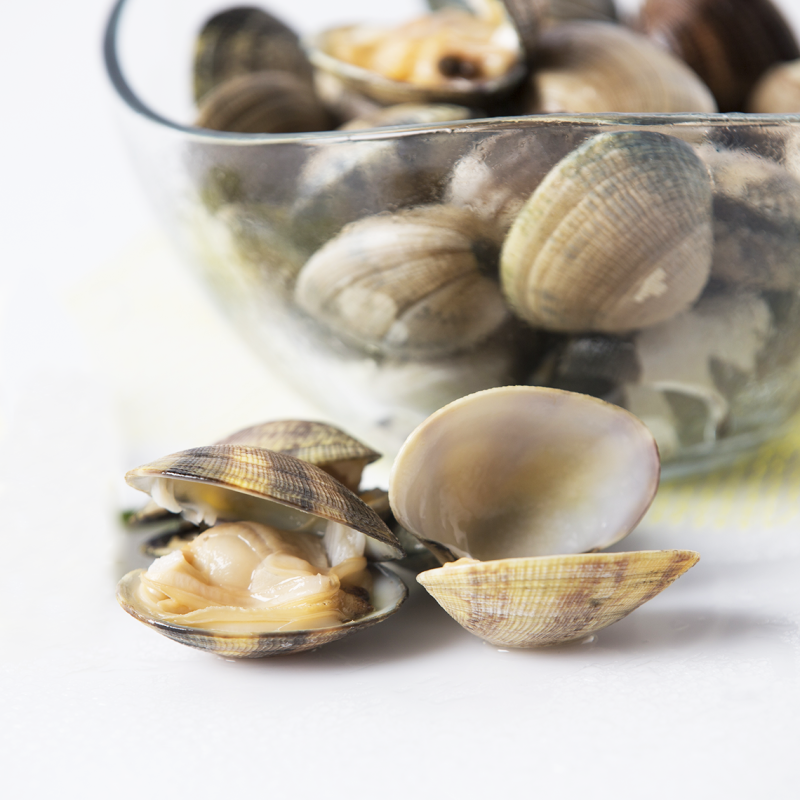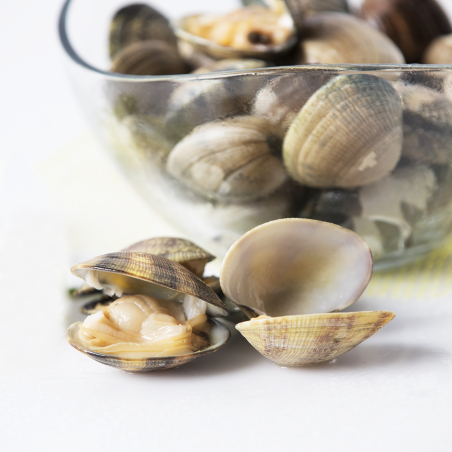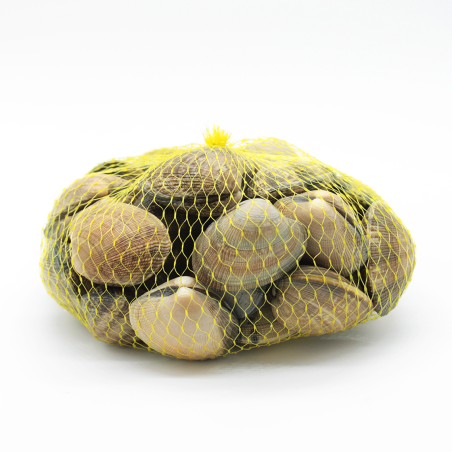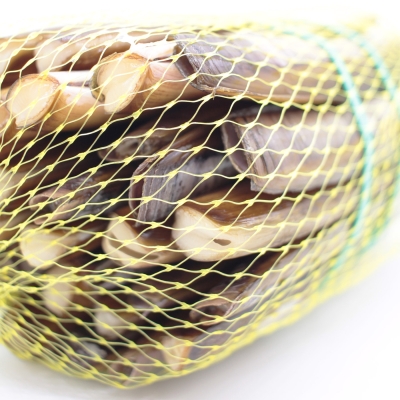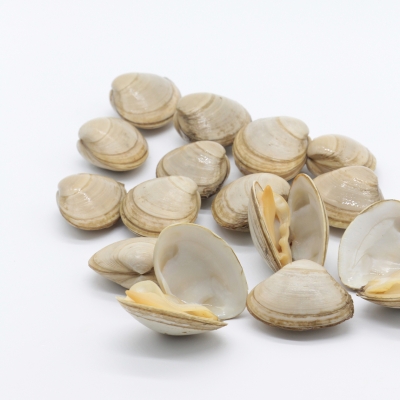
The japonica clam (Ruditapes philippinarum) is one of the best known clams in Galicia, along with the slimy, fine and blonde clams. It shares the same habitat as the slim clam, lives in sandy or muddy bottoms, where it hides and feeds on living creatures through water filtration. All these clam varieties have the same oval shape, varying in size and colour.
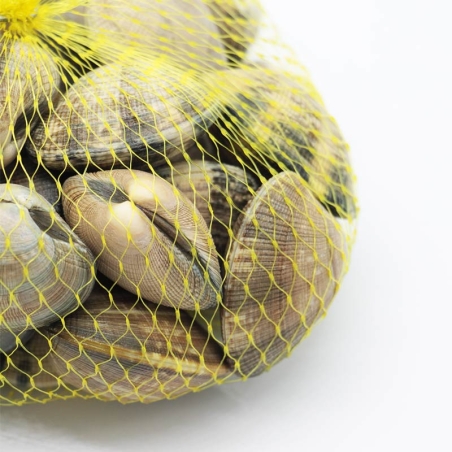
The japonica clam is a fast-growing bivalve of extraordinary quality. It has very marked grooves that form grids (much more marked than the fine clam). It is the most economical variety of its kind.
In addition to its intense flavour, it stands out nutritionally for its high mineral content (iron, potassium, selenium and calcium) and vitamins: B vitamins, especially vitamin B12. Ideal food for strengthening our immune system and increasing our defences. Recommended for people suffering from anaemia.
If they are going to be cooked, it is advisable to submerge them in cold water with salt for an hour so that they open up and release the sand inside. Drain and wash them well. Check that they are all alive. If any of them have open shells, it means that they are dead.
Commercial name: Japanese carpet shell
Scientific name: Ruditapes philippinarum
FAO code: CLJ
Production method: Farmed
Origin: Farmed in Canada
Fishing gear: Other
Physical state: Other (live)
Allergens: Molluscs
Storage conditions: Keep between 2°C and 6°C
Net quantity / Expiry: 1 kg / Product must be alive when cooked