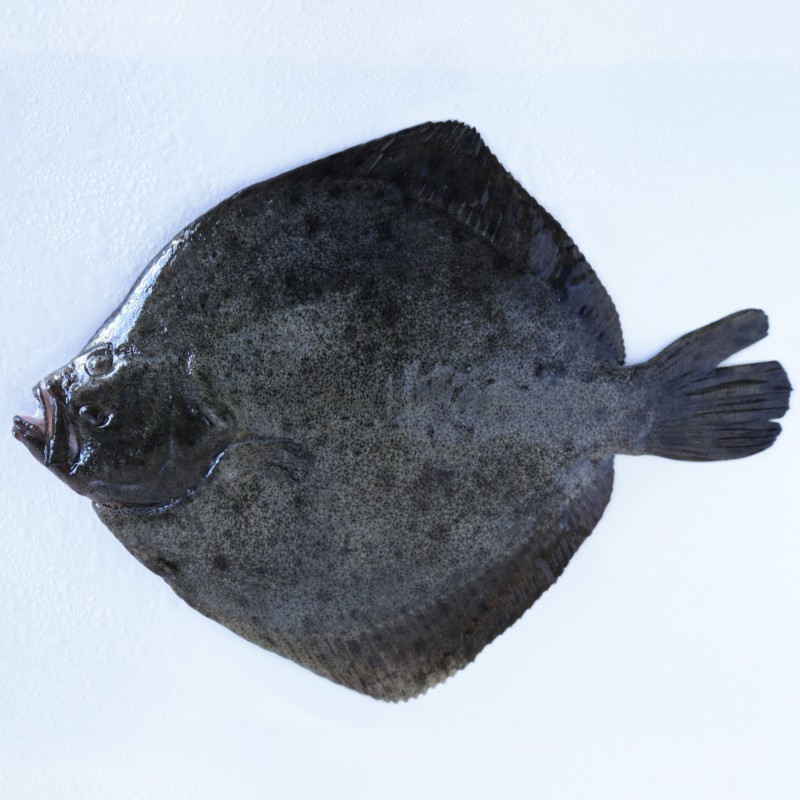
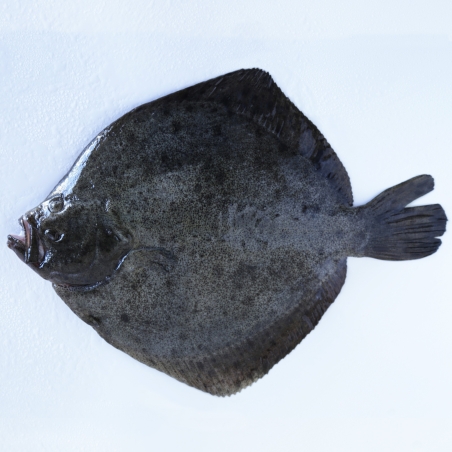
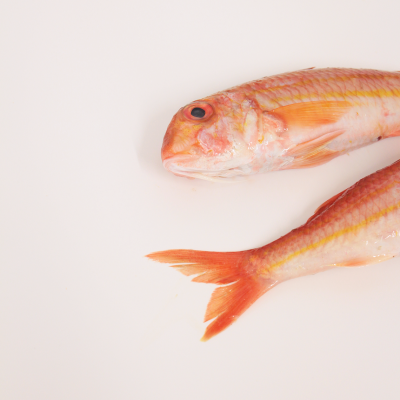
Farmed turbot (Psetta maxima) differs from the wild variety through the different greenish tones of its body and the absence of its characteristic hard lumps. Logically, the wild variety is of higher quality and thus more highly valued.
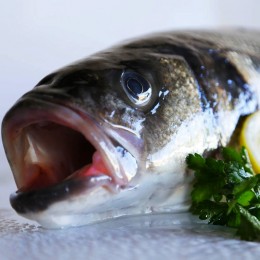
The Turbot has a flat body that’s diamond-shaped, asymmetrical and almost circular. It’s covered with hard lumps but without scales. It blends in with its environment. Generally greenish-brown in colour, it has numerous spots, a whitish belly and a large mouth. Its eyes are very small and found on the left side of its body.
Turbot is an easily digestible semi-fatty fish, recommended for digestive disorders and weight loss diets. Nutritionally, it provides a good number of minerals (phosphorus, magnesium and potassium) and vitamins (B2, B3, B9 and B12), especially vitamin B9 (folic acid), which it provides in greater quantities than other fish.
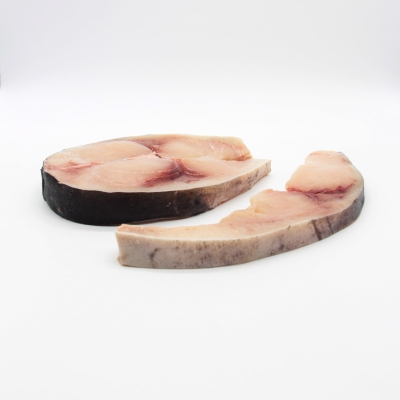
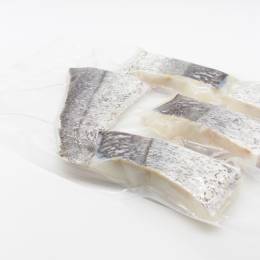
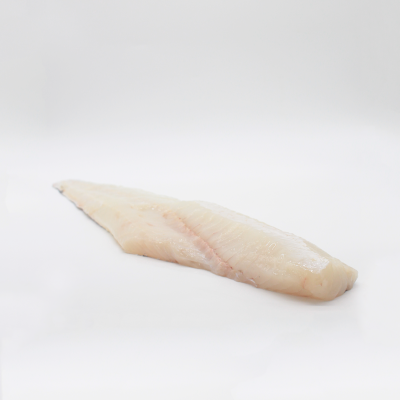
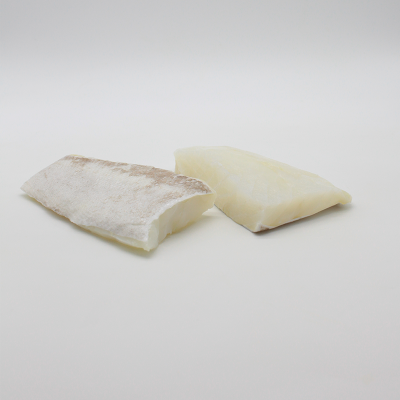
Due to the high quality of its meat, it’s best to handle it as little as possible in the kitchen, meaning it’s perfect grilled, roasted whole in the oven, boiled, or steamed. It can also be delivered in fillets, but it maintains its properties better whole.
Commercial name: Farmed turbot
Scientific name: Psetta maxima (synonym Scophthalmus maximus)
FAO 3-alpha code: TUR
Catch area: Spain / FAO-27 – Northeast Atlantic (Aquaculture)
Subarea: Will be specified on the product label at the time of delivery.
Production method: Farmed (aquaculture)
Fishing gear or production system: Aquaculture (land-based facilities / tanks)
Physical state: Fresh (not frozen)
Commercial presentation: Customer's choice
Net quantity: Will be specified at the time of delivery
Allergens: Contains: fish. May contain traces of: not applicable.
Storage conditions: Keep refrigerated between 0 °C and 4 °C. Consume as soon as possible, preferably within 24–48 hours from purchase.
Information on dates and batch: Expiration date and batch number: indicated on the product label at the time of delivery.