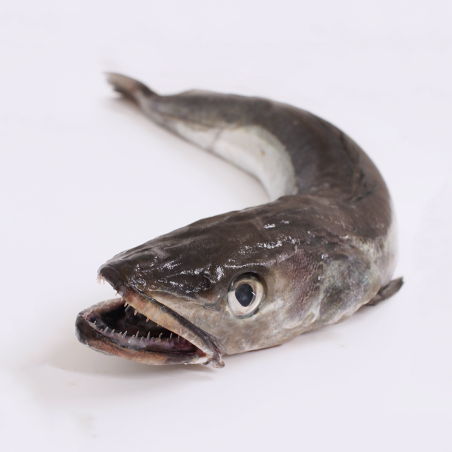
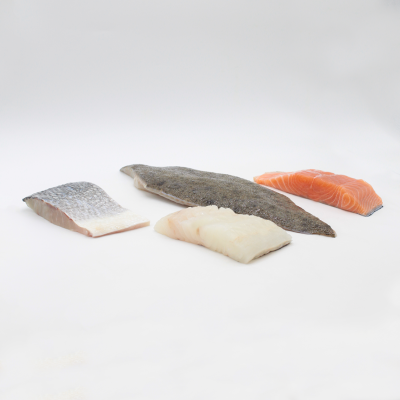
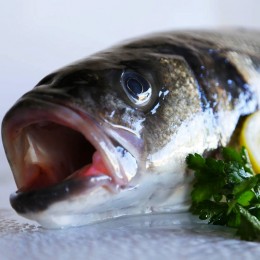
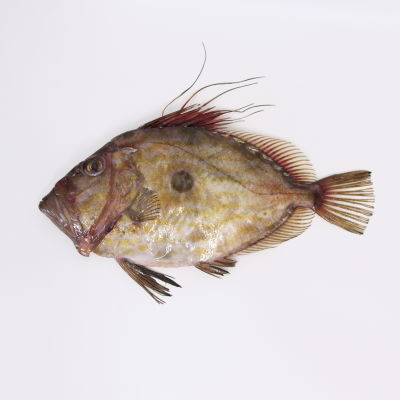
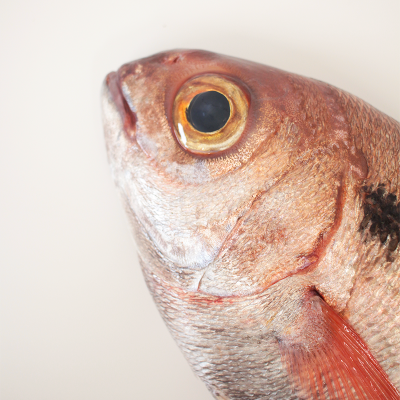
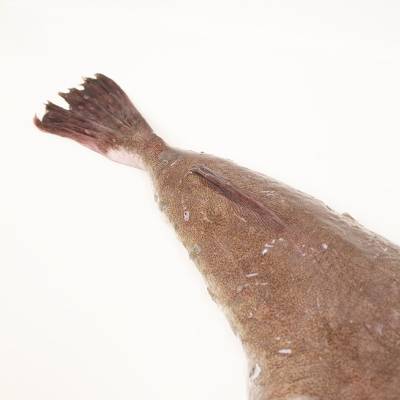
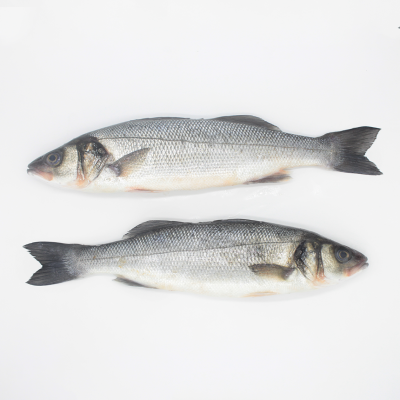
Hake (merlucccius merluccius), nowadays, can be found in markets in a range of different varieties, depending on the area it’s caught in (“European” hake is fished along the coasts of almost all of Europe and North Africa), and in the fishing world, hook-fished hake is valued higher than trawl-fished hake, as it’s more selective and less aggressive towards the fish, resulting in much firmer meat. Hake is the most widely consumed fish in Spain.
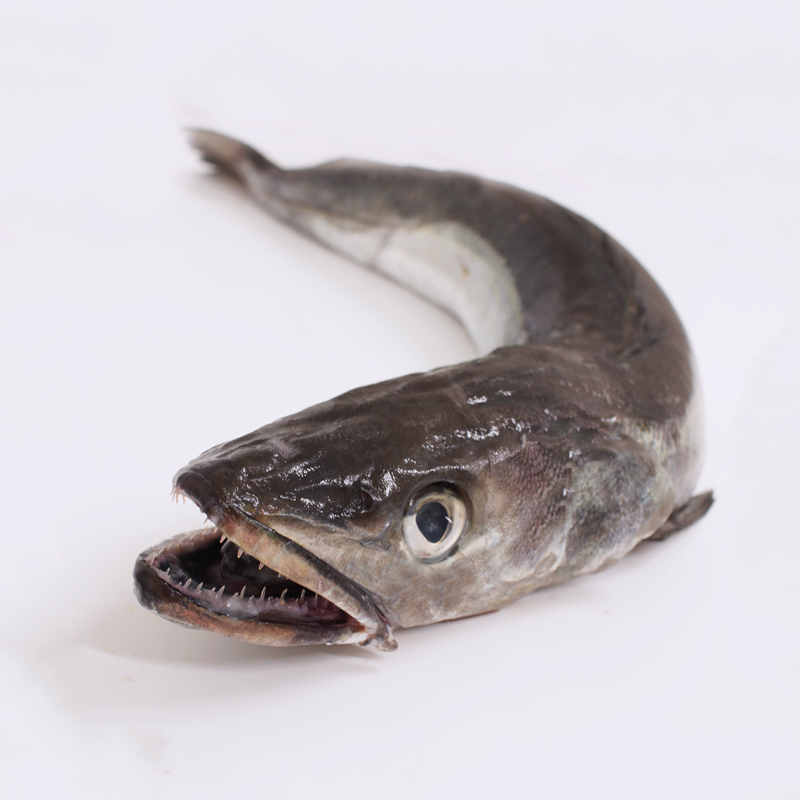
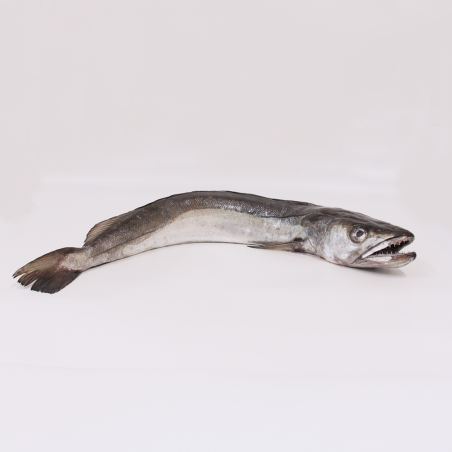
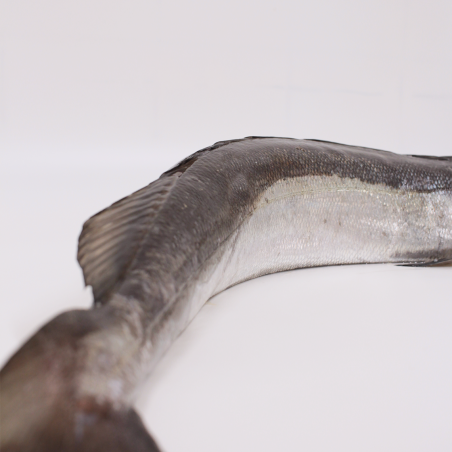
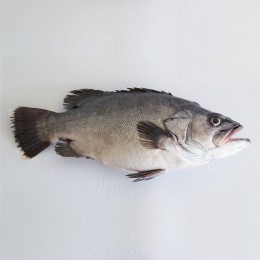
A white saltwater fish of the Merlucid family, it has a large head and mouth and very sharp teeth. Its body is long, dark grey in colour, though with some lighter sides and a whitish belly. The first dorsal fin is shorter than the second. It usually measures between 40 and 70 centimetres, but can reach up to 120 cm.
Hake stands out nutritionally for both its B vitamin content (B1, B2, B3, B9 and B12) and mineral content (including phosphorus, potassium, zinc, magnesium, iodine and iron, which provides vitality and counteracts the effects of iron-deficiency anemia). It’s an easy-to-digest fish that’s recommended for low-fat and low-calorie diets.
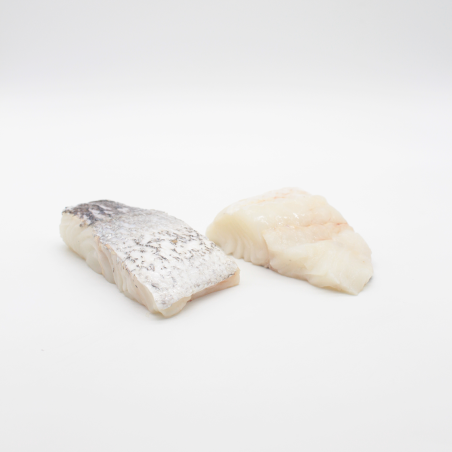
Hake needs to be carefully taken care of in the kitchen, with cooking times well controlled. If frying the hake medallions with its skin and bones removed is the best way, and it should be fried at a moderate heat to ensure it is juicy and with a soft and golden brown surface.
In Galicia, it’s traditionally eaten with “cachelos” and in “allada”, but it’s also great in a salsa verde, with clams, baked, steamed or stuffed.
Commercial name: European hake
Scientific name: Merluccius merluccius
FAO 3-alpha code: HKE
Catch area: FAO-27 – Northeast Atlantic
Subarea: Main subareas of origin at the port of Vigo: 27.7 (Waters West of Ireland / Celtic Sea), 27.8 (Bay of Biscay), and 27.9 (Portuguese and Galician Waters / Iberian Atlantic Waters). The exact subarea will be specified on the product label at the time of delivery.
Production method: Wild caught
Fishing gear or production system: Hooks and lines
Physical state: Fresh (not frozen)
Commercial presentation: Customer's choice
Net quantity: Will be specified at the time of delivery
Allergens: Contains: fish. May contain traces of: not applicable.
Storage conditions: Keep refrigerated between 0 °C and 4 °C. Consume as soon as possible, preferably within 24–48 hours from purchase.
Information on dates and batch: Expiration date and batch number: indicated on the product label at the time of delivery.